Subsea Cable Protection Solutions Provider for Marine Engineering

Total Quality Management

Quality Management

Our TQM system ensures rigorous quality oversight across the entire product lifecycle, from raw material inspection to final delivery, guaranteeing zero-defect performance.

R&D & Engineering

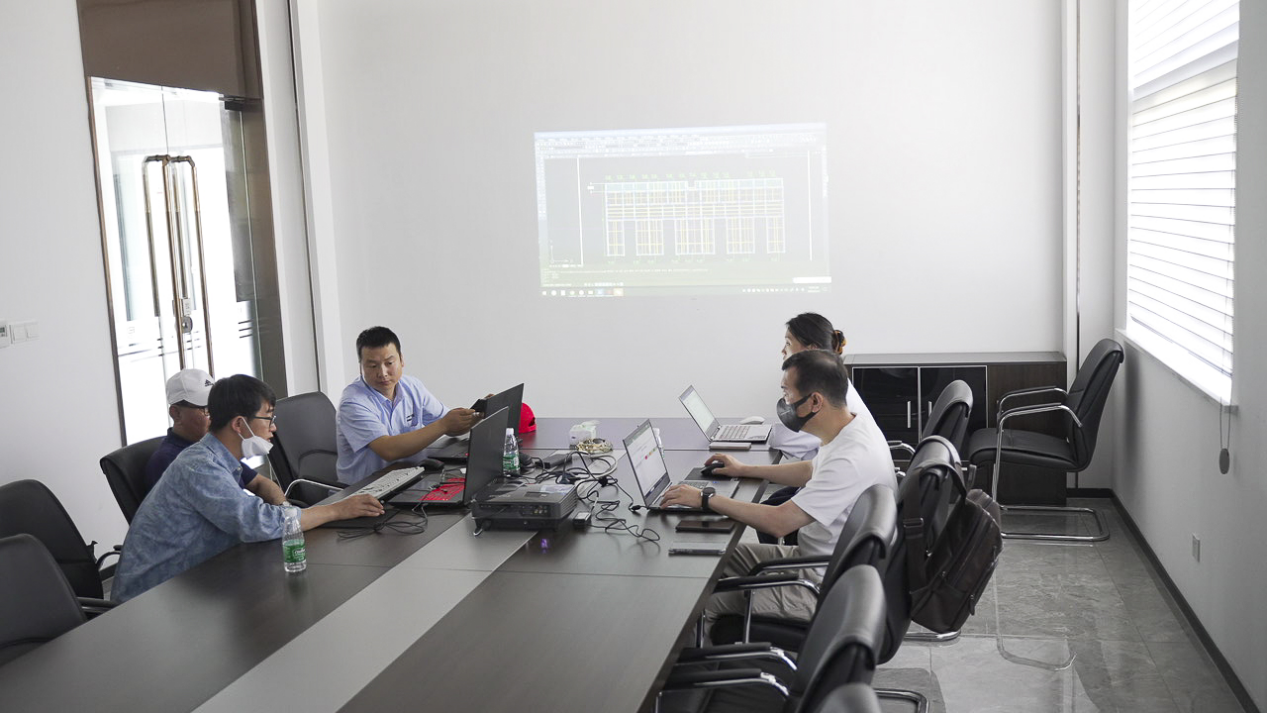
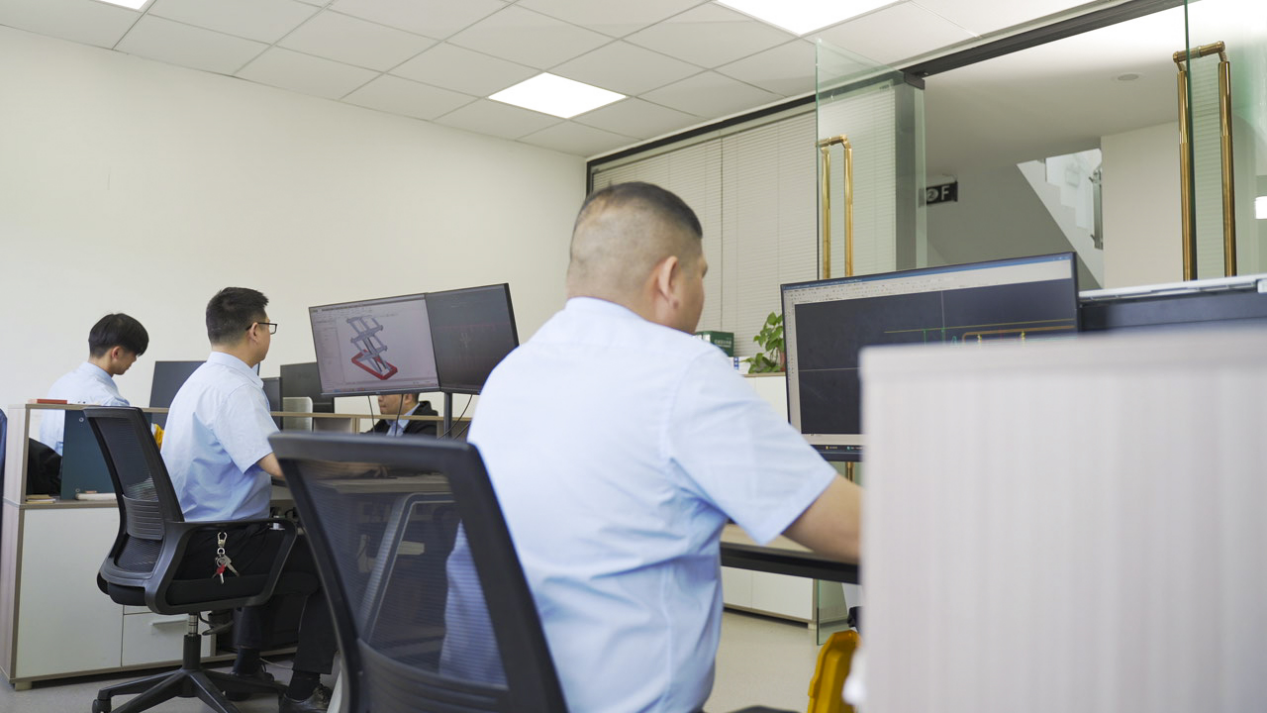
R&D & Engineering

Driving innovation through advanced R&D and precision engineering to transform complex concepts into market-ready products with optimized manufacturability.

Global Compliance

Global Compliance

A globally-trusted manufacturer defined by total adherence to international laws and a zero-tolerance policy for non-compliance.

sj
sj

Our Product

As a leading specialist in polyurethane engineering, Philson provides high-performance offshore and industrial solutions. Our rigorous quality control and advanced material science ensure reliability in the most demanding environments.

Submarine Bend Restrictors for Gas & Oil Platform

Submarine Bend Restrictors for Gas & Oil Platform

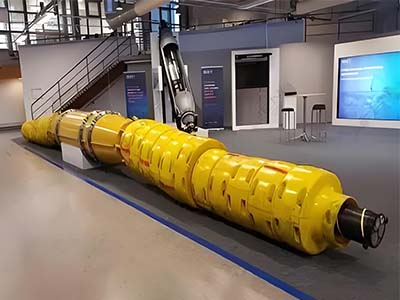
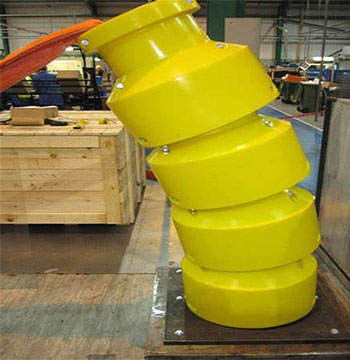
Bend restrictors are critical components in gas and oil applications, particularly for the protection of flexible pipes, umbilicals, and cables. They are designed to prevent over-bending and buckling, which can lead to damage and failure at connection points during operation or installation.

Subsea Buoyancy Modules for Cables, Hoses & Pipelines

Subsea Buoyancy Modules for Cables, Hoses & Pipelines

Subsea Buoyancy Modules utilize syntactic foam cores to provide calculated uplift and pressure protection for offshore cables, hoses, and pipelines.

Underwater Modular Buoyancy for Umbilicals, Risers & Flowlines

Underwater Modular Buoyancy for Umbilicals, Risers & Flowlines

Our modular buoyancy systems optimize SURF infrastructure, engineering maximum hydrodynamic stability for deep-sea umbilicals, risers, and flowlines.

Marine Hose Bend Restrictors

Marine Hose Bend Restrictors

Marine hose bend restrictors offer superior strain relief for offshore assets, preventing fatigue failure and ensuring critical lines maintain their minimum bend radius.

Polyurethane J-Tube Seals for Subsea Umbilicals & Flexible Risers

Polyurethane J-Tube Seals for Subsea Umbilicals & Flexible Risers

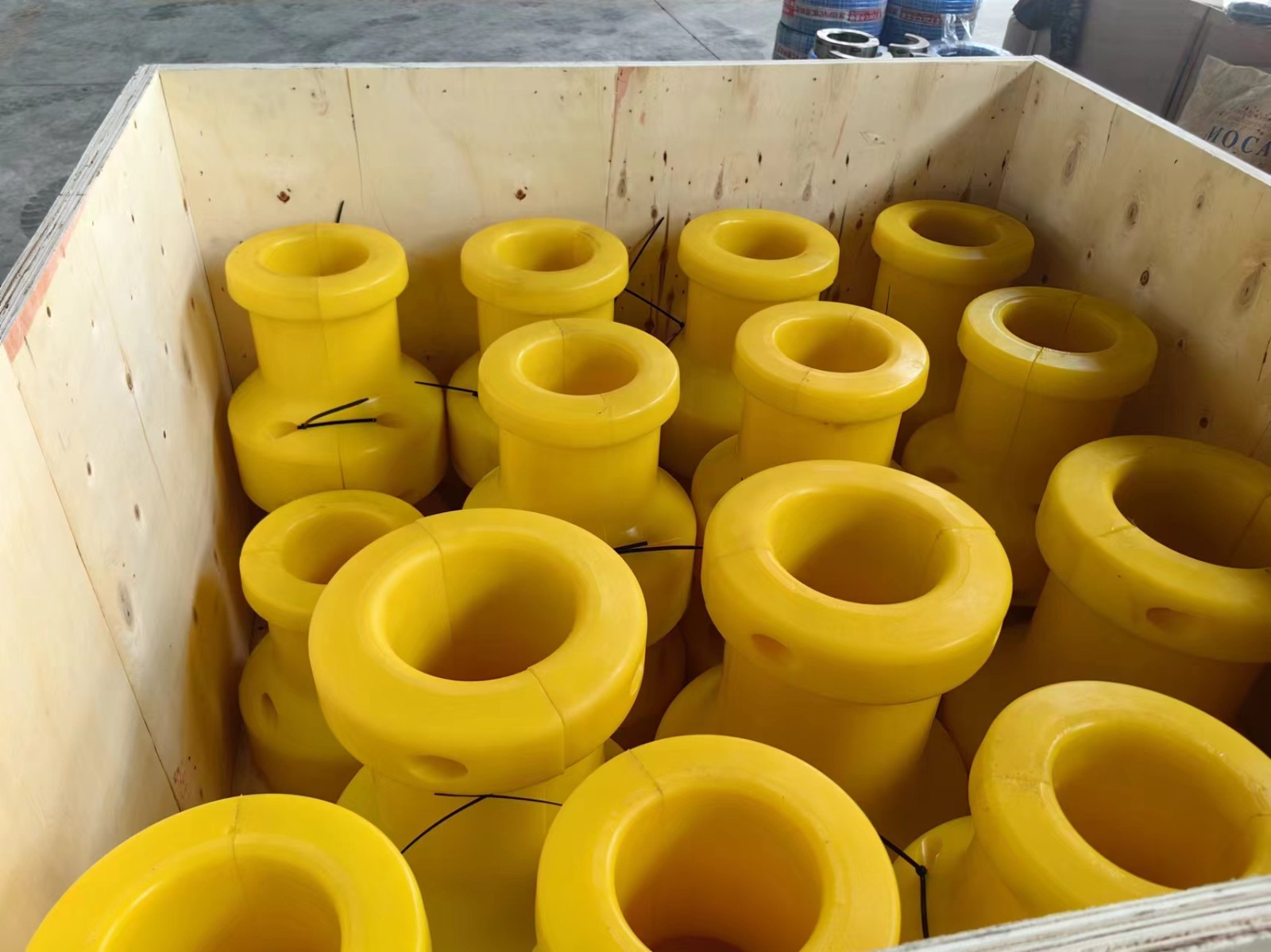
Watertight polyurethane J-tube seals for offshore wind & subsea oil umbilicals. Split-shell design, API 17D compliant, rated for 3000m+ depths.

Cable Bend Restrictors for Static Load Protection

Cable Bend Restrictors for Static Load Protection

A modular, high-strength polyurethane interlocking system engineered to shield subsea cables from permanent gravitational tension and mechanical over-bending in static fixed environments."

Your Reliable Partner in High-Performance Offshore Manufacturing.

FAQ

Philson’s FAQ blog provides professional technical insights and engineering guides for subsea bend restrictors, helping you resolve complex challenges in Minimum Bend Radius (MBR) control, material selection, and offshore cable protection.

  • What is the Difference Between Bend Restrictor and Bend Stiffener?

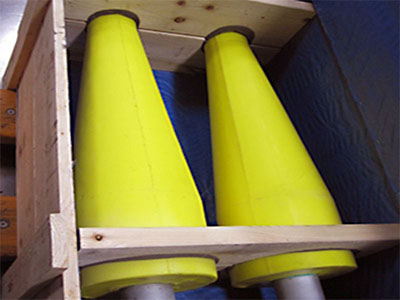
    Bend Restrictor features a split-design that mechanically locks solid at a specific limit to completely block over-bending, making it ideal for static areas like the seabed or J-tube exits and easy to retrofit on deck. In contrast, Bend Stiffener is a one-piece cone that provides a smooth, continuous flex without ever locking, making it ideal for handling constant fatigue in highly dynamic environments like floating platforms, but it must be pre-slid onto the cable before final connection.


  • Do You Offer Complete Subsea Cable Protection Solutions or Just Single Parts?

    We specialize in urethane bend restrictors and provide a full range of subsea cable and hose protection accessories, including bend stiffeners, cable hang-offs, centralizers, J-tube seals, and buoyancy modules.


  • How Do I Select the Right Subsea Cable Protection System for My Specific Requirements?

    To select the optimal subsea cable protection system, please provide these three critical parameters: the cable’s exact outer diameter (OD), the minimum bend radius (MBR) under installation tension, and the expected hydrodynamic loads of your deployment site. Our engineering team uses this data to customize the system’s design to guarantee a perfect fit.


  • Why Choose Philson as Your Subsea Cable Protection Partner?

    We combine specialized OEM manufacturing expertise with deep technical knowledge of subsea environments. As a professional manufacturer, we offer more than just components; we provide end-to-end support from material engineering and custom design to the delivery of high-performance sealing and protection systems that ensure the long-term integrity of your offshore assets.

  • What Are the Typical Applications for Cable Protection Systems?

    Our systems are widely deployed in offshore wind and energy projects to protect subsea cables and umbilicals from fatigue and mechanical damage. They are used extensively at J-tube exits, turbine interface points, and on dynamic subsea infrastructure. Additionally, we provide critical protection for cables navigating rugged seabed terrain, pipeline crossings, and ROV offshore automated equipment.

  • Who Are Your Primary Service Partners Within the Offshore Energy Sector?

    We serve a broad spectrum of partners across the global offshore wind and energy industries, including project developers, EPCs, and installation contractors. We are dedicated to supporting these stakeholders with secure, reliable, and custom-engineered cable entry sealing and protection solutions tailored to their specific project needs.


  • What is Your After-sales Support for Our Offshore Cable Protection?

    We offer a comprehensive technical support, including remote assistance and detailed installation guidance, to ensure the long-term reliability and operational success of your cable protection systems.

  • In Which Regions Does Philson Provide Its Services?

    We provide specialized cable protection solutions to clients across Southeast Asia, covering key offshore energy hubs in Indonesia, Thailand, and Vietnam. While continuing to strengthen our market presence in this region, we are also actively engaging with partners in Europe, the Americas, and the Middle East to bring our high-performance solutions to the global offshore wind and energy industries.


  • What is Your Typical Lead Time for Production and Delivery?

    Our lead time is customized based on project scale and specifications, and we coordinate closely with our logistics partners to ensure timely delivery to your designated port.


  • Compared to Steel Marerial, Why is Polyurethane Preferred?

    Marine-grade polyurethane has become the ideal material for subsea engineering, replacing traditional steel due to its exceptional corrosion resistance, superior durability, lightweight design, and simplified assembly, which eliminates maintenance while reducing structural loads and significantly increasing offshore installation efficiency.

Case

We specialize in subsea cable accessories, delivering expert protection systems for global offshore energy and marine engineering projects.

News

We provides customers with industry news on professional marine engineering protection.

How to Prevent Subsea Cable Failure: Vertebrae Bend Restrictors

Protect your subsea assets from fatigue failure with Philson’s high-performance VBR solutions—engineered for extreme offshore environments and rapid, cost-effective installation.

Polyurethane Bend Restrictors: Best Practices for Installation and Maintenance

Polyurethane bend restrictors require precise installation, environmental checks, and regular maintenance to successfully stop subsea cable over-bending and fatigue.

Bend Stiffeners: How to Stop Subsea Cable Fatigue and Over-Bending

How advanced API-standard Polyurethane Bend Stiffeners eliminate subsea cable fatigue and over-bending by optimizing stress distribution at critical connection nodes.

Delivered to Thailand: Polyurethane Subsea Cable Bend Restrictors

Thailand-bound subsea cable bend restrictors feature an interlocking modular design and seawater-corrosion resistance to safeguard regional marine energy and communication lifelines.

How to Choose the Right Subsea Bend Restrictor

This technical guide outlines the essential parameters for selecting subsea bend restrictors, focusing on application identification, minimum bend radius (MBR) matching, polyurethane material stability, and efficient offshore installation.

How Non-skid PU Liners Secure Wind Towers During Transit

Our non-skid polyurethane liners provide critical cushioning and anti-slip protection for giant wind tower sections during heavy-duty logistics.